
Pelvic Floor & Pilates: Empowered Bodies
This is not another pelvic-floor exercise course

Targeted Training
Our course focuses on specific muscle groups often overlooked in general fitness routines.
Expert Guidance
Learn from experienced instructors who specialize in pelvic floor health and Pilates.
Empowered Bodies
Gain strength, improve posture, and enhance your overall well-being.
Pelvic Floor & Pilates: Empowered Bodies
A comprehensive pelvic health education program for Pilates teachers.
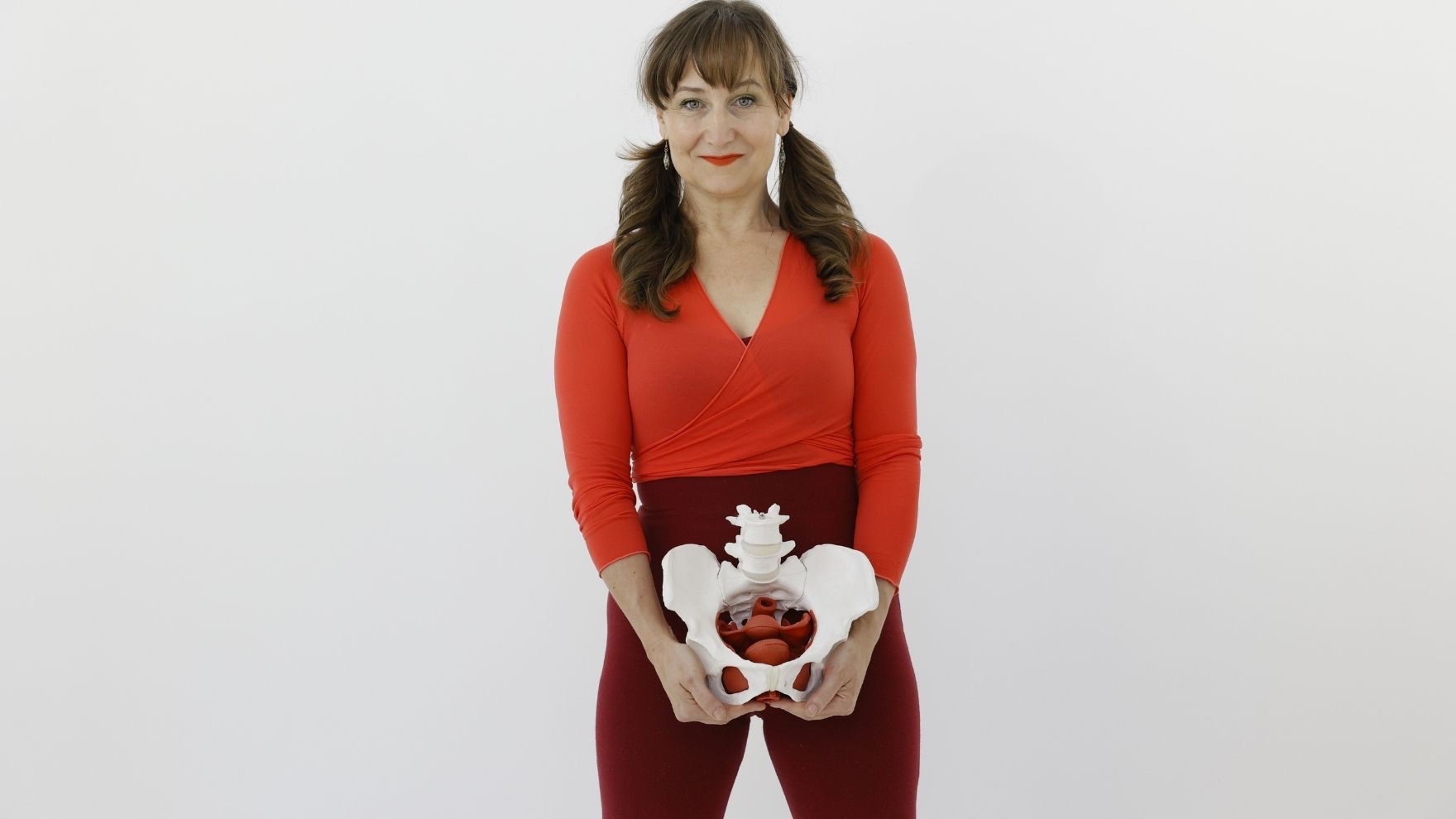
The pelvic floor is more than a group of muscles to strengthen.
It is part of a dynamic system involving breathing, pressure management, posture, movement, continence, bowel function, pelvic organ support and sexual health.
And for Pilates teachers, understanding that system can transform the way you teach.
Pelvic Floor & Pilates: Empowered Bodies is a comprehensive, evidence-informed education program designed specifically for Pilates teachers who want to develop a deeper understanding of pelvic health and confidently apply that knowledge to their teaching.
From pregnancy and postnatal recovery to perimenopause, menopause and ageing, you'll learn how the pelvic floor changes, how different presentations may affect movement and exercise, and how to adapt Pilates appropriately for the individual client.
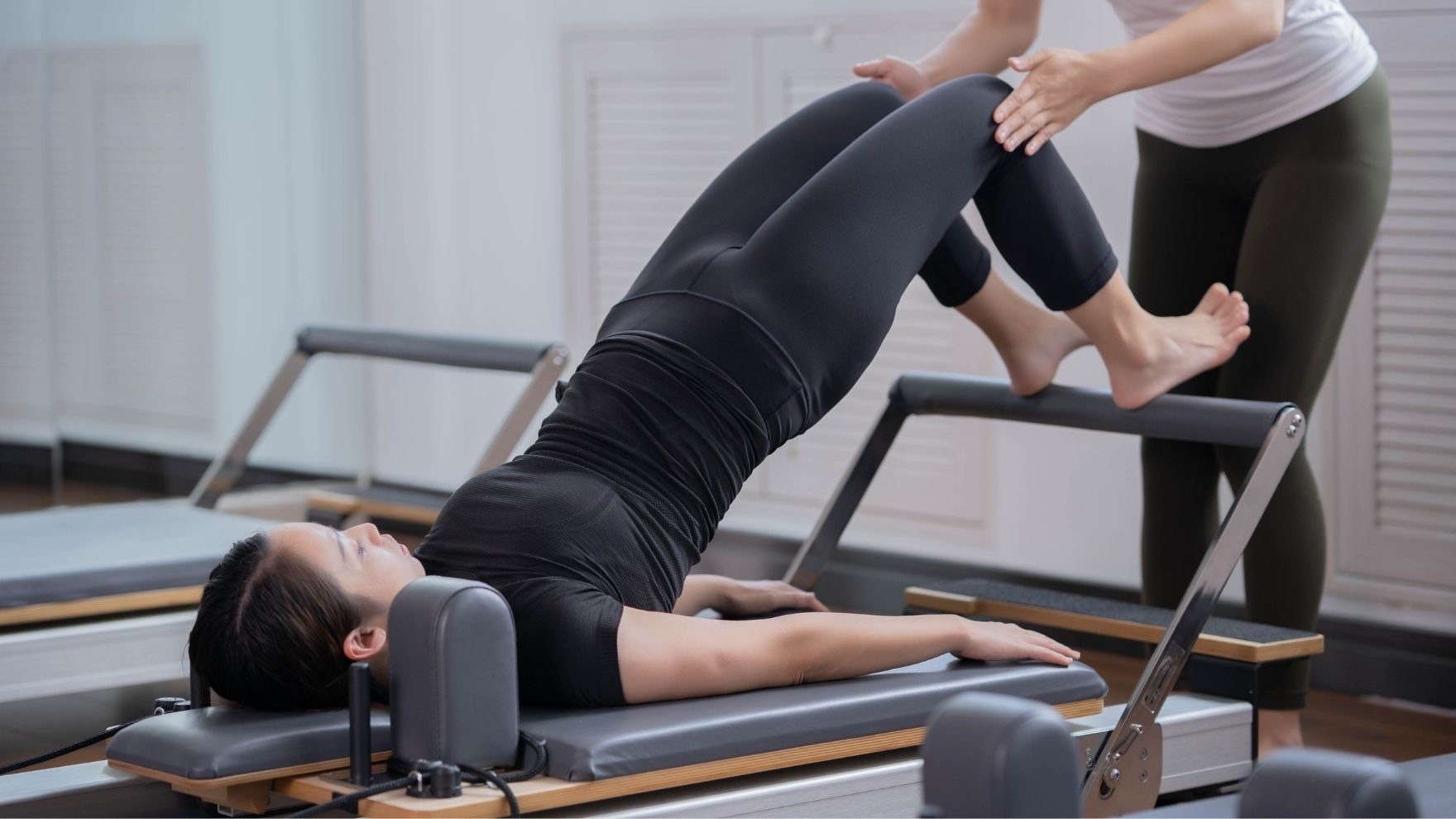
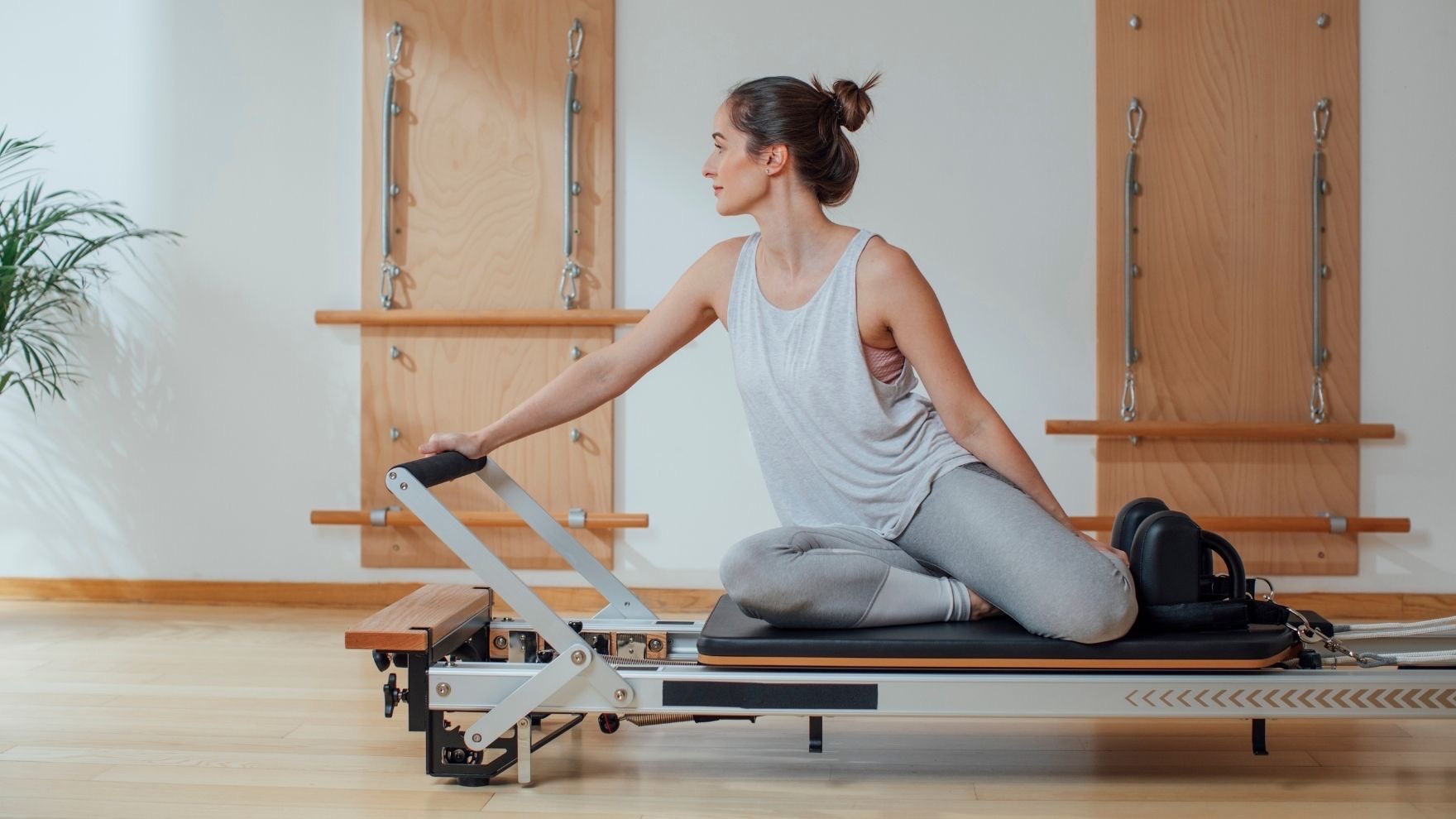
This is not simply a course about pelvic floor contractions.
You may already know how to cue a pelvic floor contraction.
But what happens when your client has:
- An overactive pelvic floor?
- Pelvic pain?
- Urinary urgency?
- Stress incontinence?
- Pelvic organ prolapse?
- Constipation or difficulty emptying their bowel?
- Symptoms during running or jumping?
- Pelvic heaviness during exercise?
- Menopausal changes affecting bladder or pelvic health?
- Difficulty relaxing their pelvic floor?
Do you know what questions to ask?
Do you know when to modify an exercise?
Do you know when strengthening is appropriate—and when it may not be?
Do you know when your client needs referral to a pelvic health professional?
This course is designed to help you answer those questions with greater knowledge and confidence.
Who is this course for?
Is this course suitable if I have already completed your Pilates for Pregnancy & Postnatal course?
Do I need to be a qualified Pilates teacher to enrol?
Will this course teach me to assess or treat pelvic floor dysfunction?
Is the course only relevant to women?
What will I be able to apply immediately to my Pilates teaching?
Is the course evidence-informed?
What if I have a client with pelvic floor symptoms?
Is there a practical component?
Will I receive professional development points?
Go deeper into pelvic health
If you've already completed Pilates for Pregnancy & Postnatal, this course takes your pelvic health education significantly further.
Pregnancy and postnatal pelvic floor considerations are included, but Empowered Bodies is not a repeat of your pregnancy and postnatal training.
Instead, you'll explore pelvic floor function and dysfunction across the lifespan, including:
Anatomy & Function
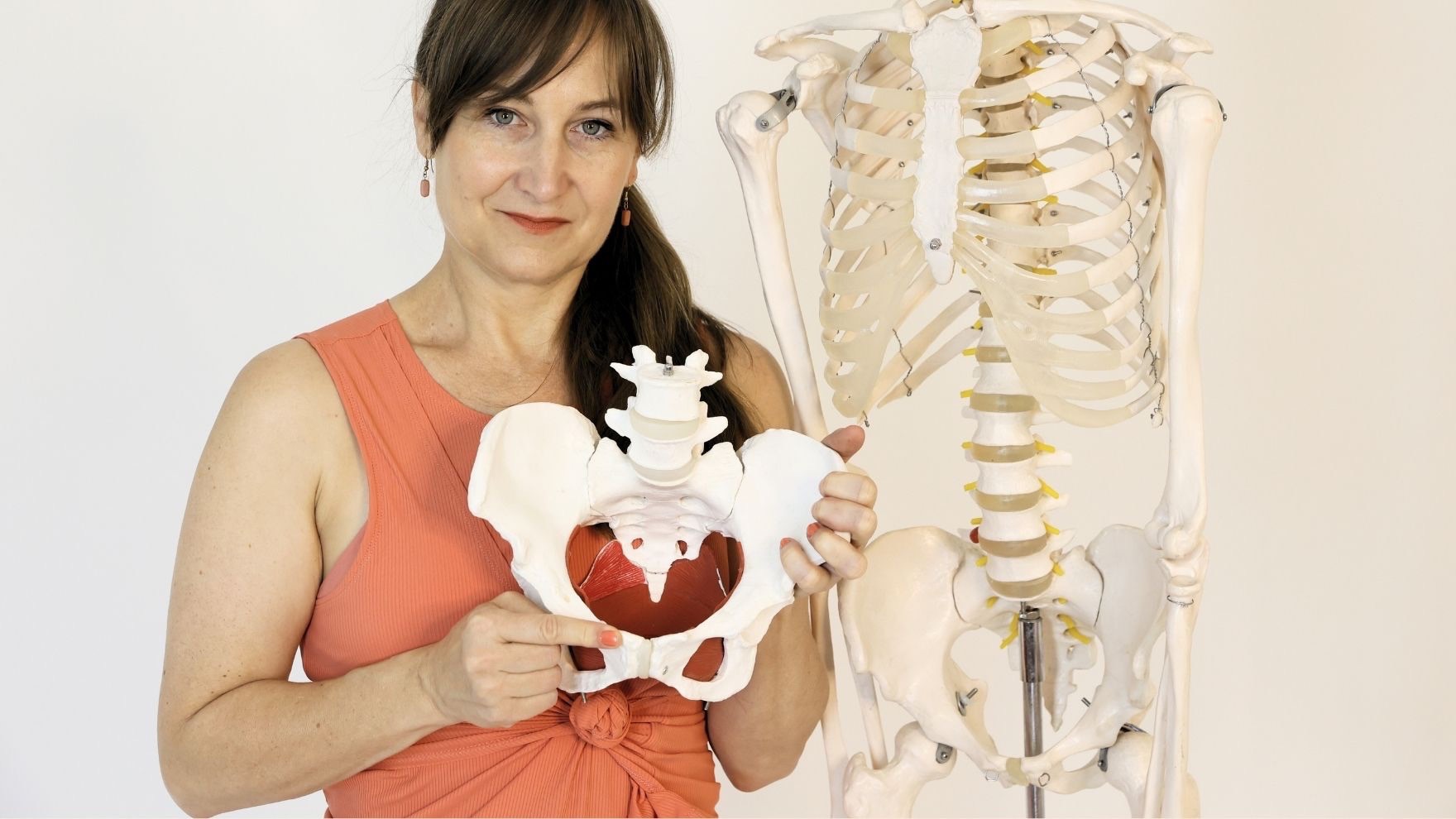
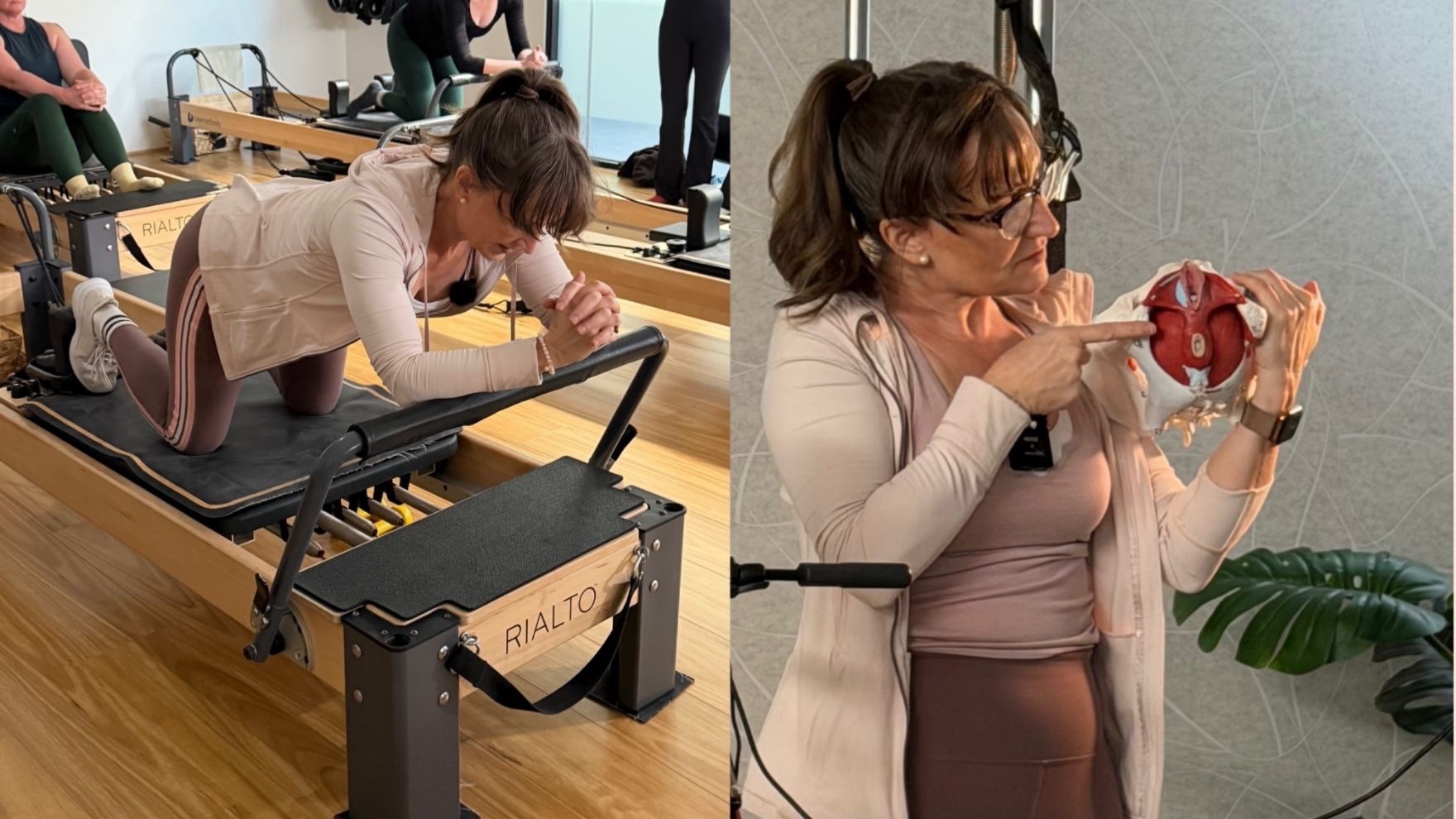
Understand the anatomy of the pelvic floor and its relationship with the diaphragm, abdominal wall, spine, hips and broader core system.
Pelvic Health
Explore bladder, bowel and sexual function, pelvic organ support, continence, pelvic pain and common pelvic floor presentations.
Pelvic Floor Physics
Develop a practical understanding of pressure, load, breathing, resistance, position and movement—and how these factors influence pelvic floor function during exercise.
Exercise & Pilates
Learn how to analyse Pilates exercises through a pelvic health lens and make appropriate modifications rather than simply labelling exercises as "good" or "bad" for the pelvic floor.
Programming
Develop strategies for working with different presentations, including underactive, overactive and poorly coordinated pelvic floors.
The Female Lifespan
Explore pelvic health through pregnancy and postnatal recovery, perimenopause and menopause, and healthy ageing.
Special Populations
Consider pelvic health alongside hypermobility, osteoporosis, chronic conditions, athletic populations and return to exercise.
Lifestyle & Medication
Understand how bowel health, hydration, lifestyle factors, medications and other health considerations can influence pelvic health.
Case Studies
Apply your knowledge to realistic client presentations and develop your clinical reasoning and programming skills.
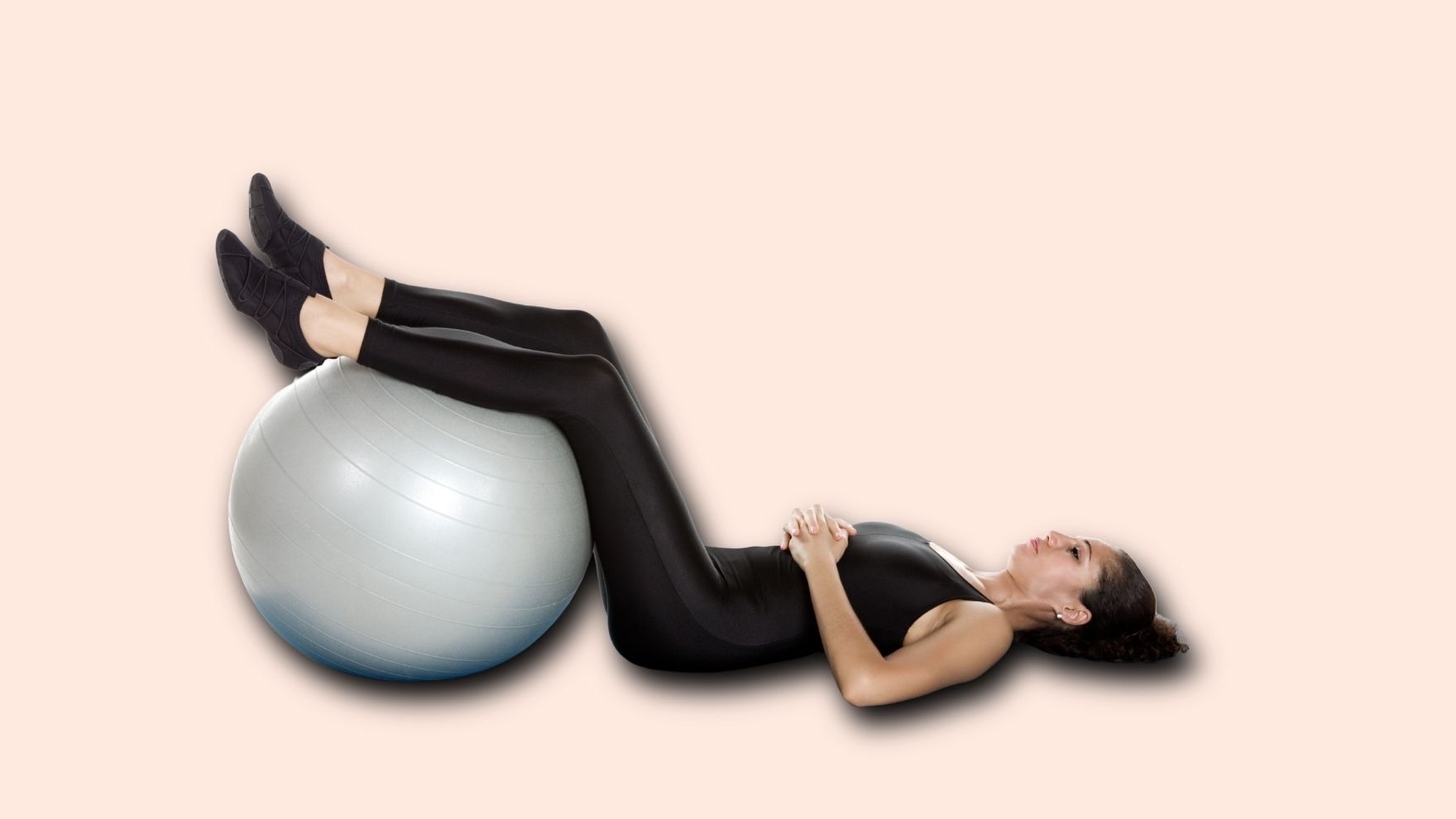
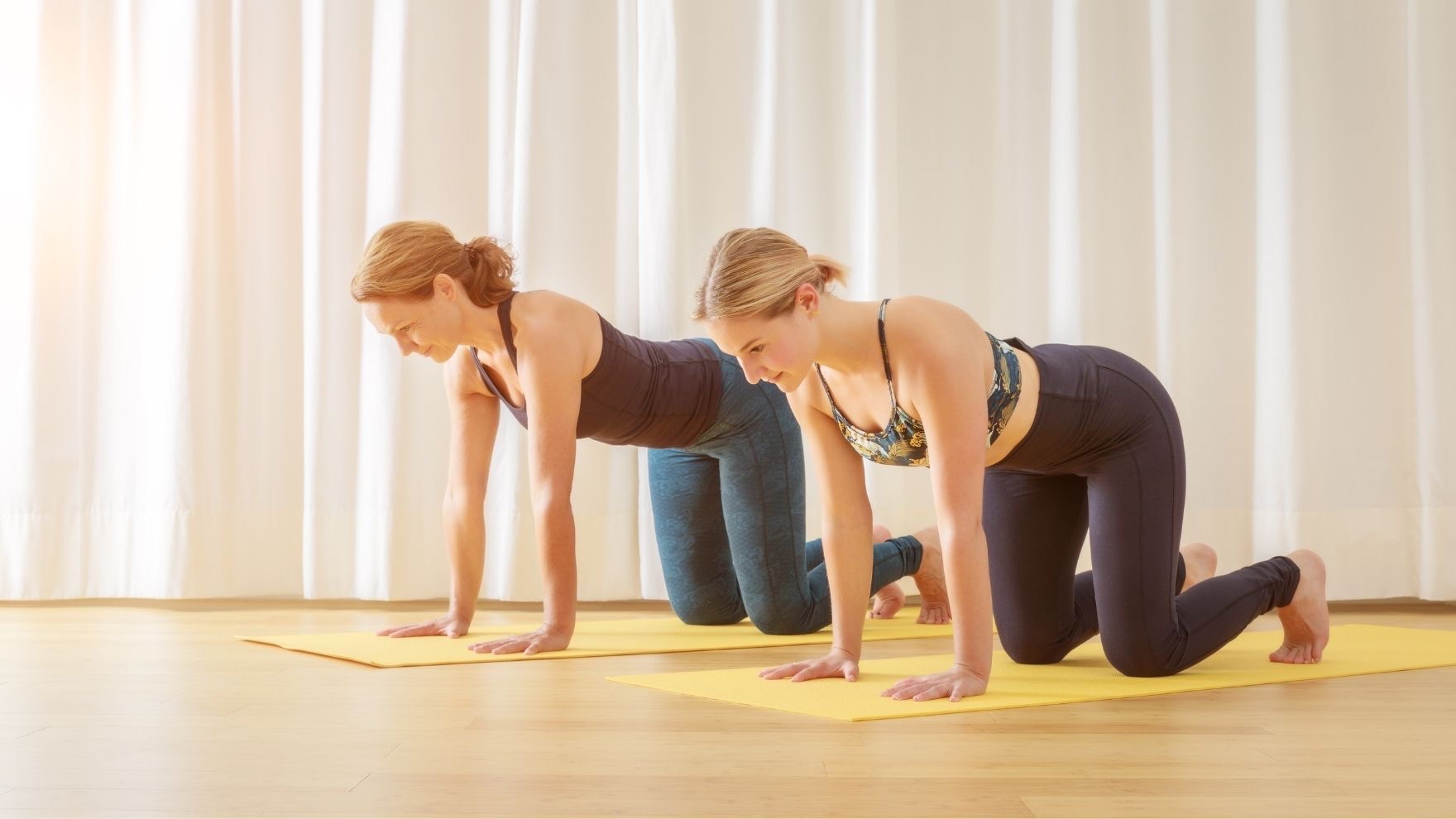
What will you learn?
By completing Pelvic Floor & Pilates: Empowered Bodies, you will develop a deeper understanding of:
- Pelvic floor anatomy and function
- The relationship between breathing and the pelvic floor
- Intra-abdominal pressure and pressure management
- Pelvic floor strength, endurance, coordination and relaxation
- Underactive and overactive pelvic floors
- Stress urinary incontinence
- Urgency and overactive bladder
- Pelvic organ prolapse
- Constipation and bowel dysfunction
- Pelvic pain
- Sexual health considerations
- Pregnancy and postnatal pelvic health
- Perimenopause and menopause
- Pelvic health and ageing
- Resistance training and pelvic floor function
- Impact exercise and return to activity
- Pelvic-floor-friendly Pilates repertoire
- Exercise modification and progression
- Programming for different pelvic health presentations
- Red flags and referral
- Working alongside pelvic health physiotherapists and other health professionals
- Nutrition and lifestyle considerations
- Medications that may influence pelvic health
- Communicating confidently and respectfully about pelvic health
Learn to think differently about the pelvic floor
One of the most important concepts throughout this course is that pelvic floor health is not simply about strength.
A healthy pelvic floor needs to be able to:
Contract.
Relax.
Lengthen.
Support.
Respond to pressure.
Coordinate with breathing.
Adapt to movement.
Generate force when required.
And let go when it needs to.
Your role as a Pilates teacher is not to diagnose pelvic floor dysfunction.
Your role is to understand movement, recognise relevant symptoms and considerations, modify and progress exercise appropriately, and know when to refer.
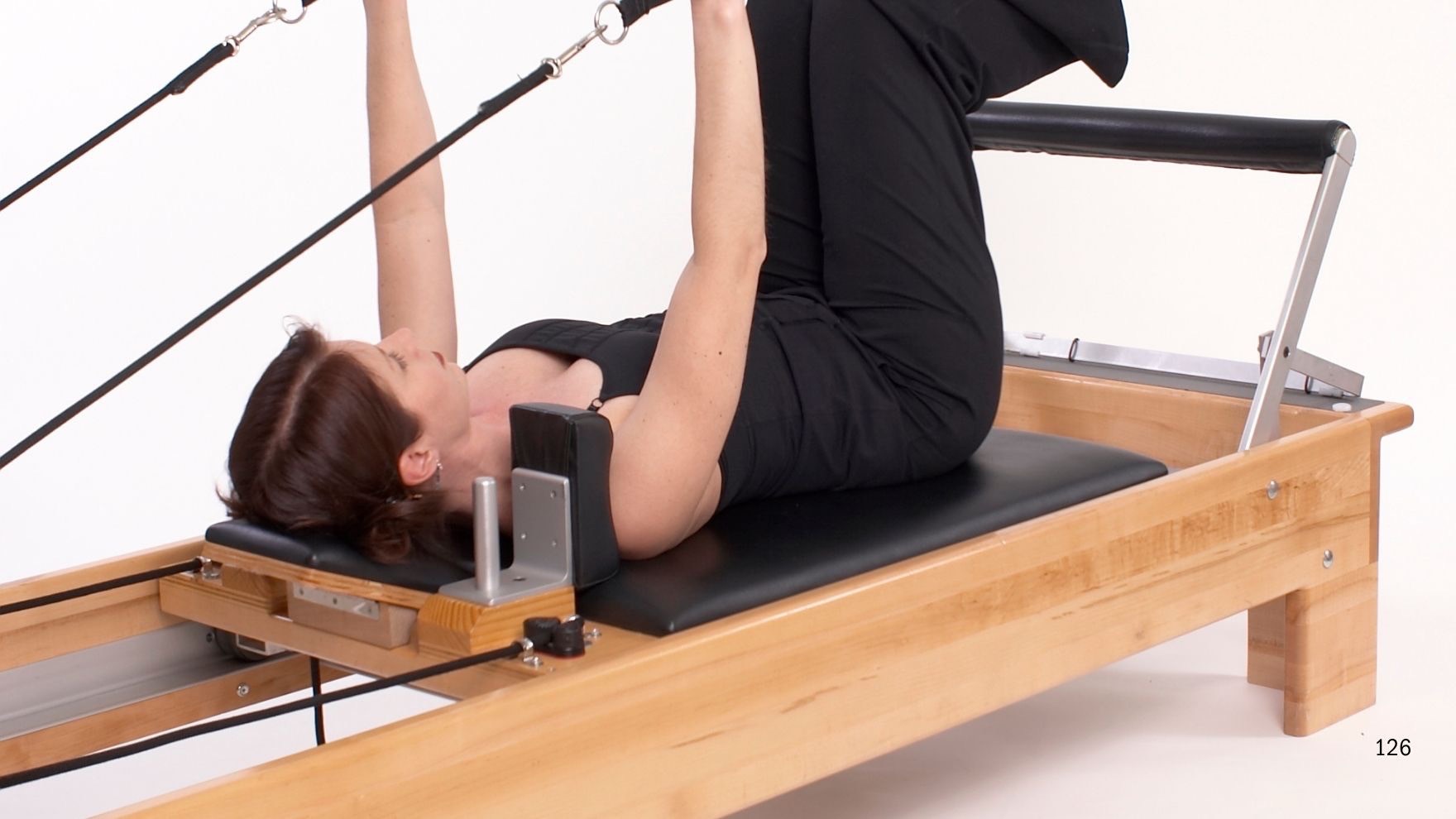
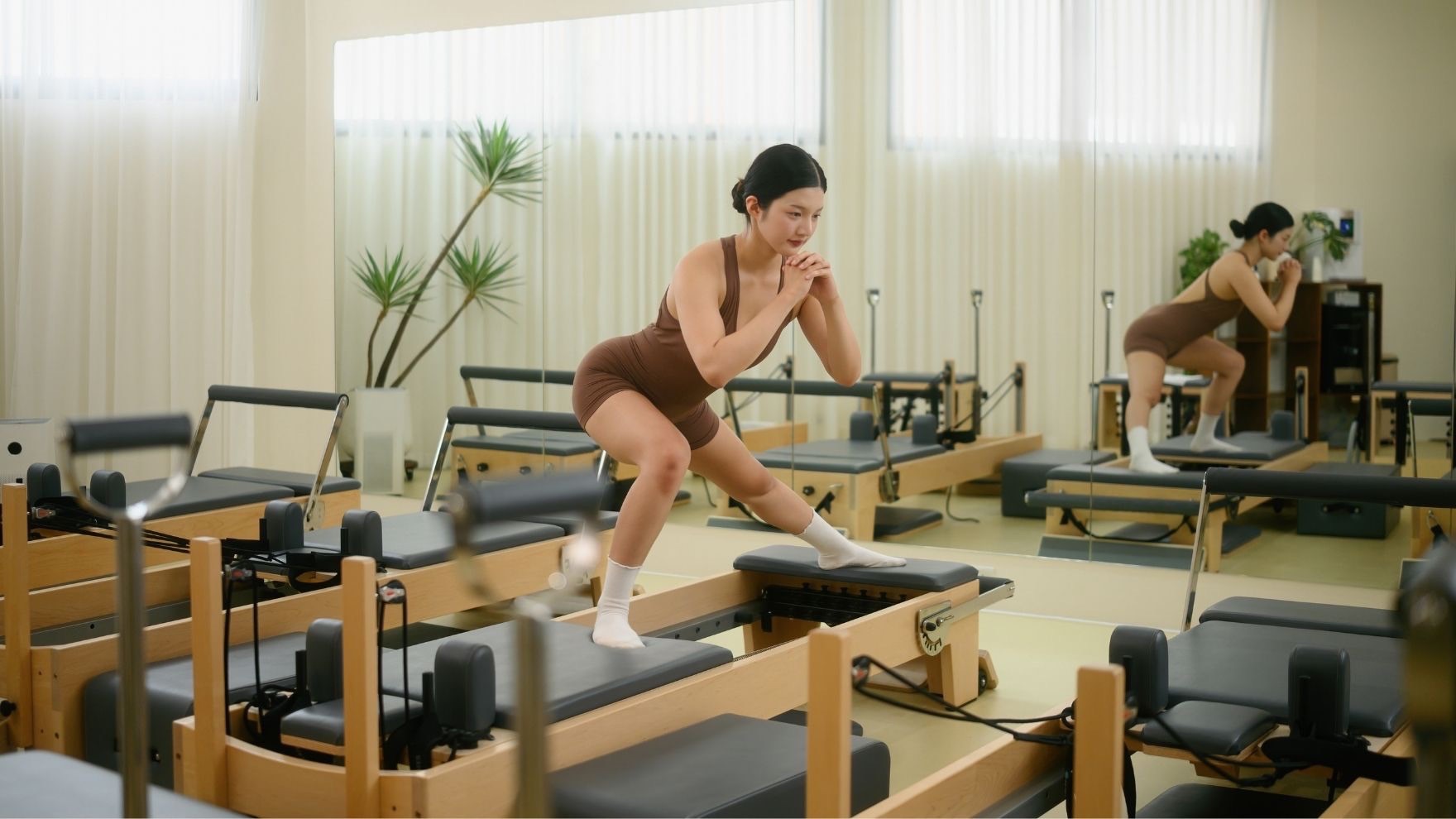
From anatomy to application
This course bridges the gap between knowing about the pelvic floor and knowing what to do with that knowledge in a Pilates session.
You'll explore:
UNDERSTAND
Anatomy, physiology, research and clinical guidelines.
↓
RECOGNISE
Common symptoms and different pelvic floor presentations.
↓
ANALYSE
Breathing, pressure, load, movement and exercise selection.
↓
ADAPT
Modify Pilates exercises according to the individual client.
↓
PROGRAM
Develop appropriate sessions and progressions.
↓
REFER
Recognise when a client requires assessment or support from another health professional.
Pilates Repertoire Through a Pelvic Health Lens
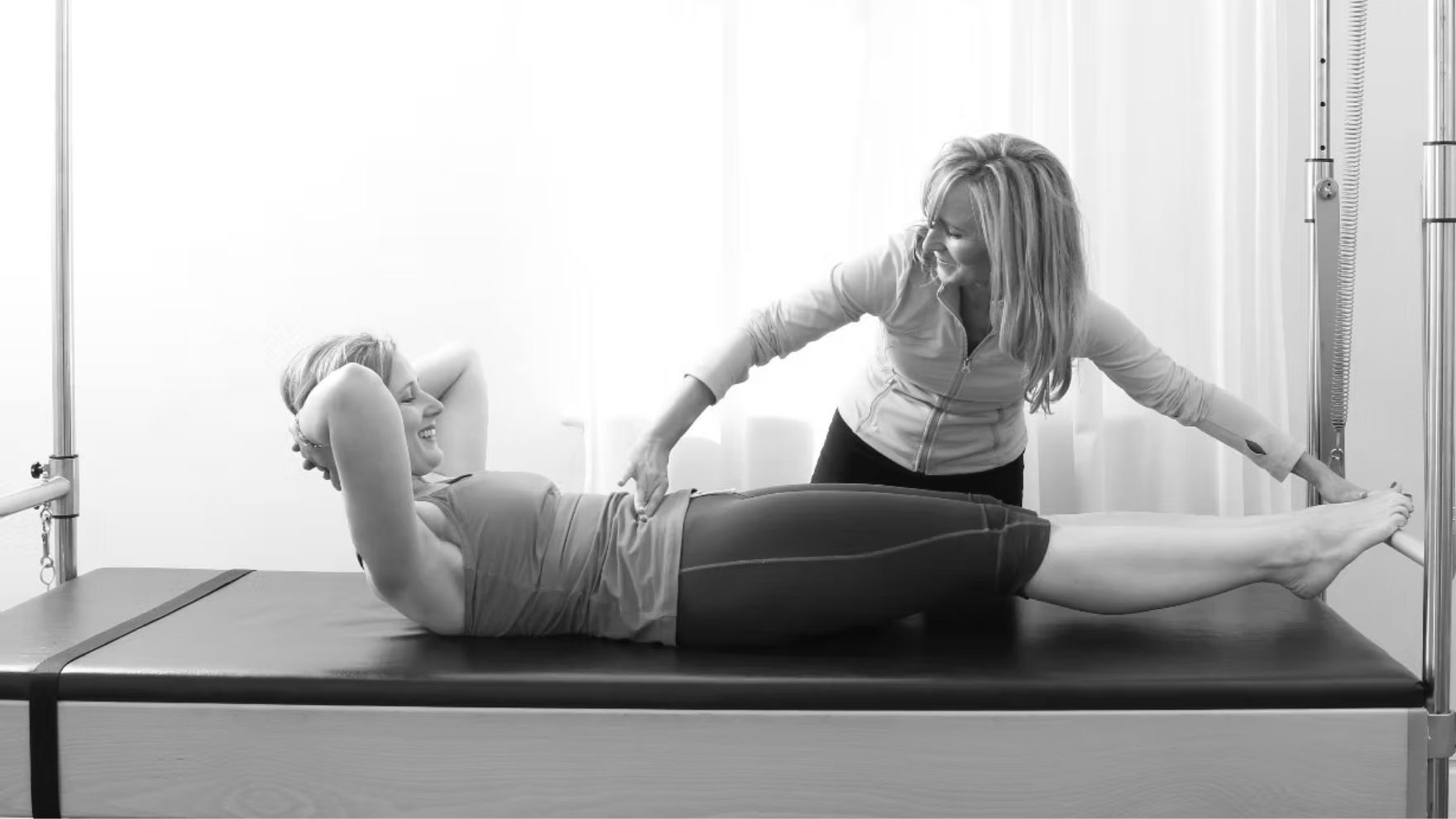
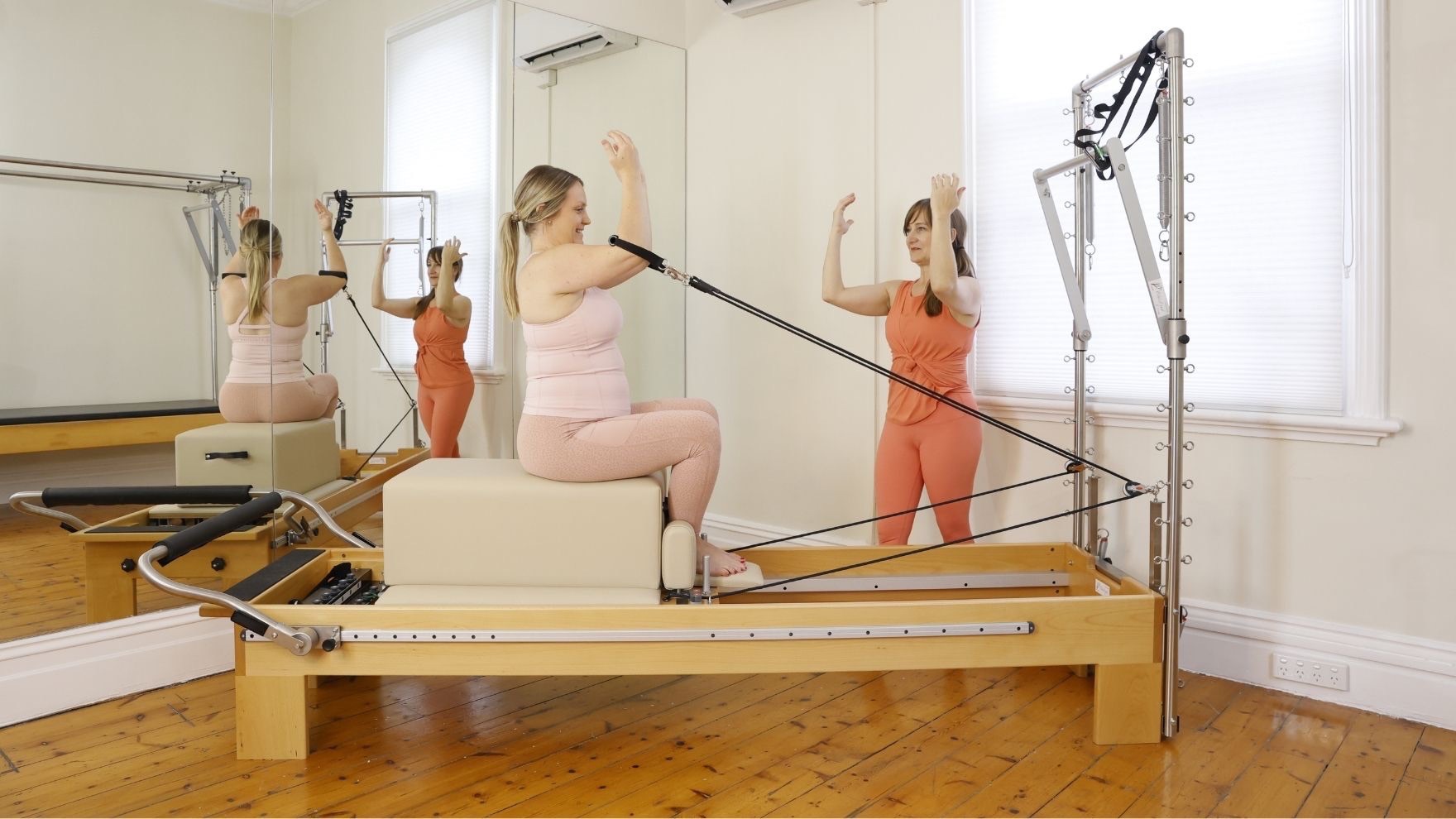
We will take pelvic health into the Pilates studio.
Explore how pelvic health considerations may influence:
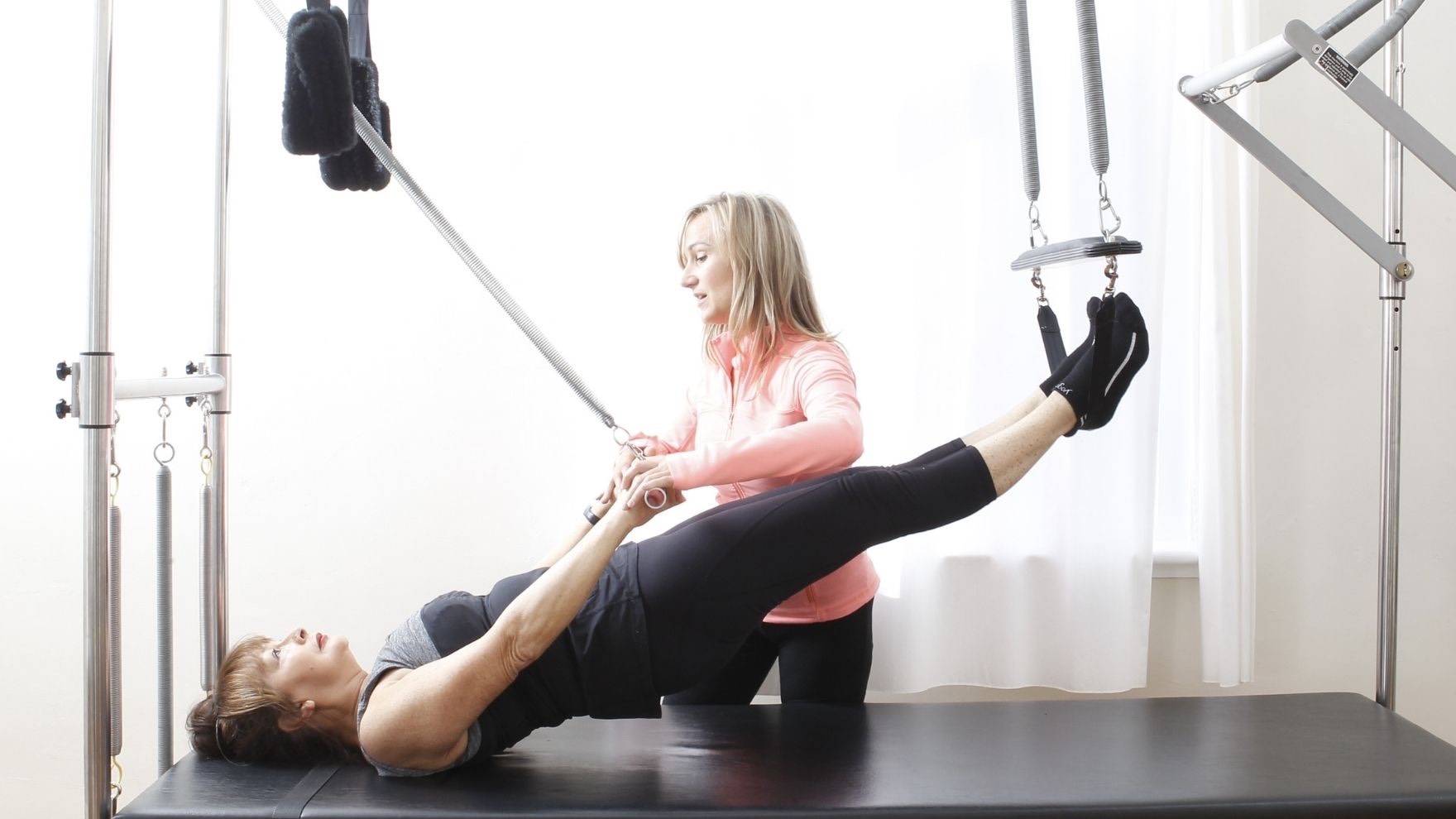
Matwork
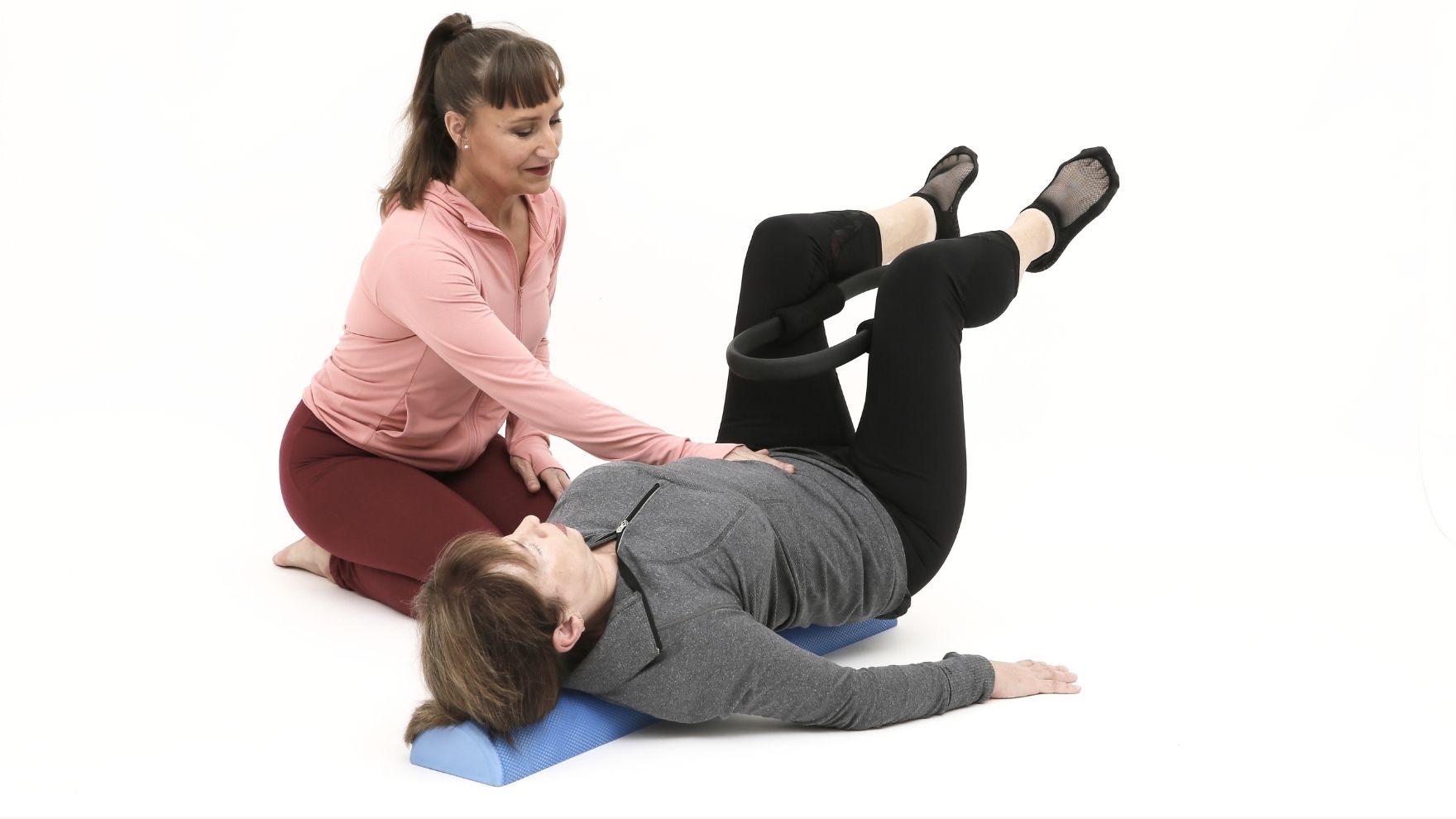
From the Hundred and abdominal work to bridging, side-lying, quadruped and plank variations.
Reformer
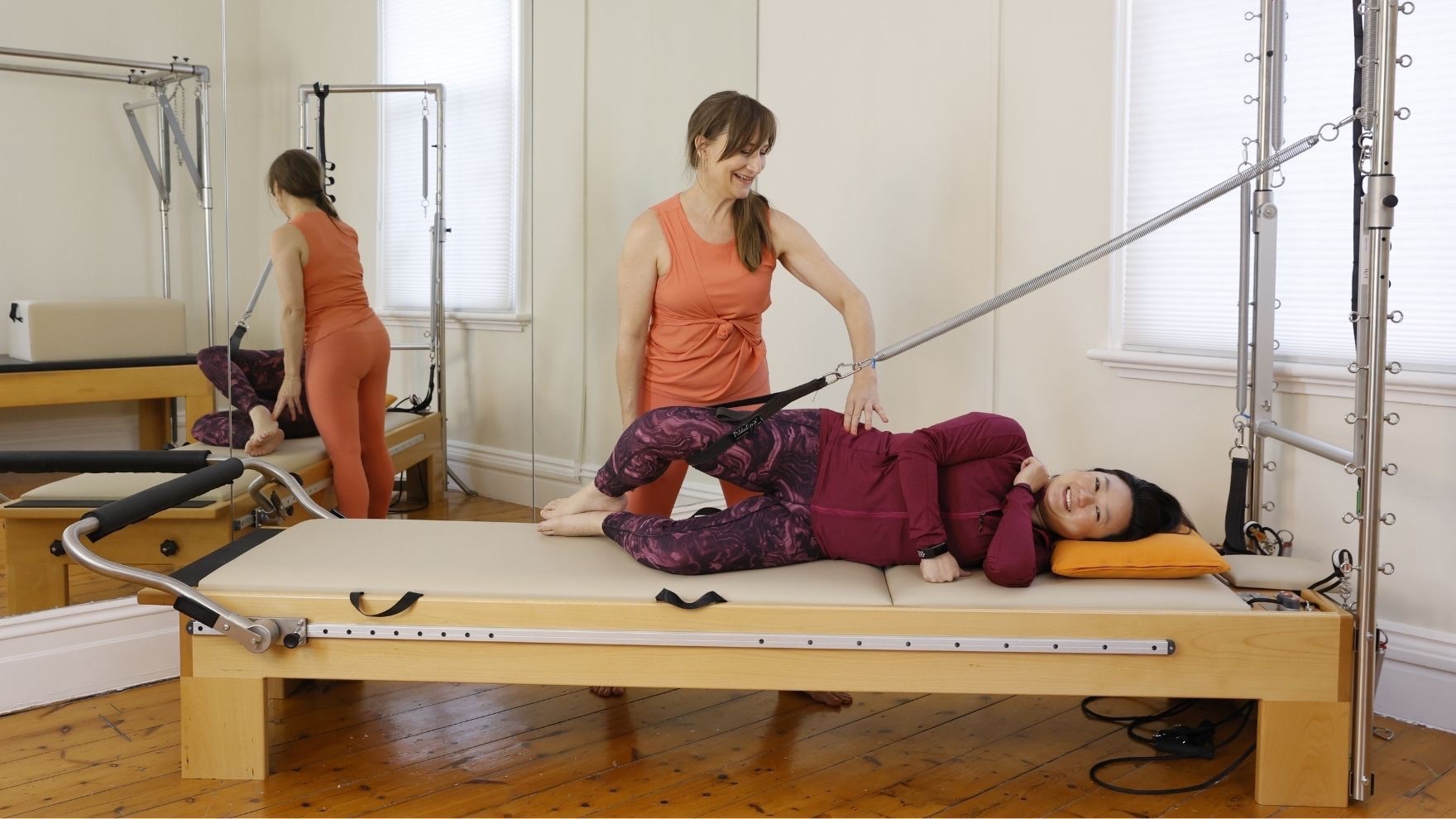
Footwork, bridging, Long Stretch, Elephant, standing work, running, jumping and loaded movement.
Wunda Chair & Cadillac
Standing work, resistance, balance, strength and functional loading.
Small Apparatus
Magic Circle, bands, balls, weights and other tools.
Rather than creating a list of exercises that clients "shouldn't do", you'll learn to consider:
Position → Breath → Load → Resistance → Range → Repetitions → Speed → Fatigue
and adapt accordingly.
Pelvic Health Across the Lifespan
Pregnancy & Postnatal
Go beyond the basic pregnancy pelvic floor conversation and explore pelvic health through pregnancy, birth and postnatal recovery.
Understand:
- Changes in pelvic floor function
- Birth and pelvic floor considerations
- Continence
- Pelvic organ prolapse
- Pelvic pain
- Postnatal recovery
- Returning to exercise
- Progressive loading
Already completed my Pilates for Pregnancy & Postnatal course?
You'll find new content here. The focus of this course is the pelvic floor itself, allowing you to build on your existing pregnancy and postnatal knowledge rather than repeating it.
Perimenopause & Menopause
Hormonal changes can influence tissues, bladder and bowel function, pelvic health and sexual health.
Explore:
- Oestrogen and pelvic health
- Urinary symptoms
- Vaginal and genitourinary changes
- Pelvic organ prolapse
- Pelvic pain
- Sexual health
- MHT/HRT considerations
- Exercise and resistance training
Ageing
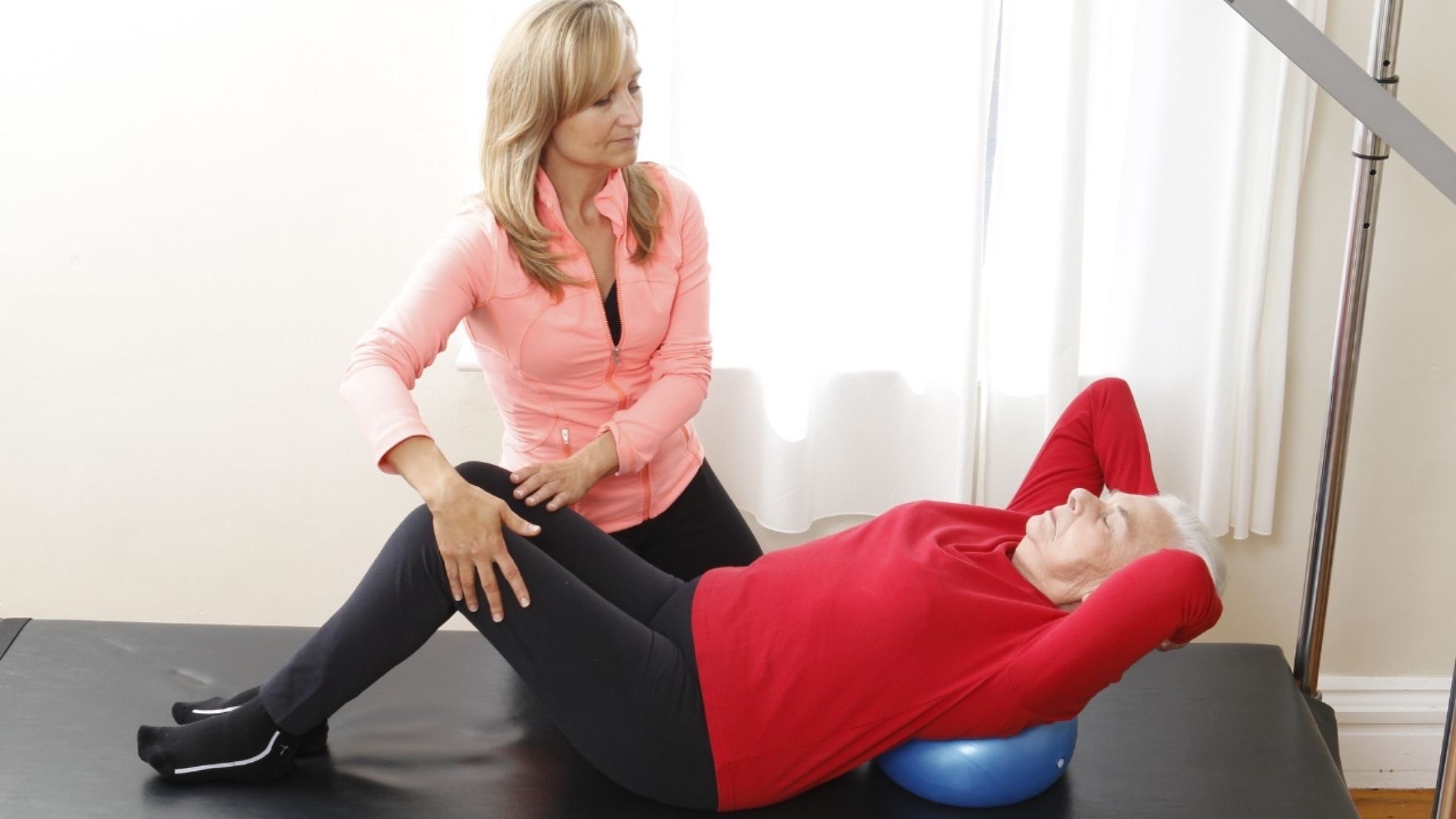
Pelvic health doesn't stop being important as we age.
Explore the relationship between:
- Strength
- Continence
- Balance
- Functional independence
- Falls
- Resistance training
- Bladder and bowel health
- Healthy ageing
Learn how pelvic health can become part of a broader approach to helping clients maintain strength, confidence and independence.
Real Clients. Real Presentations. Real Programming.
Understanding the theory is only the beginning.
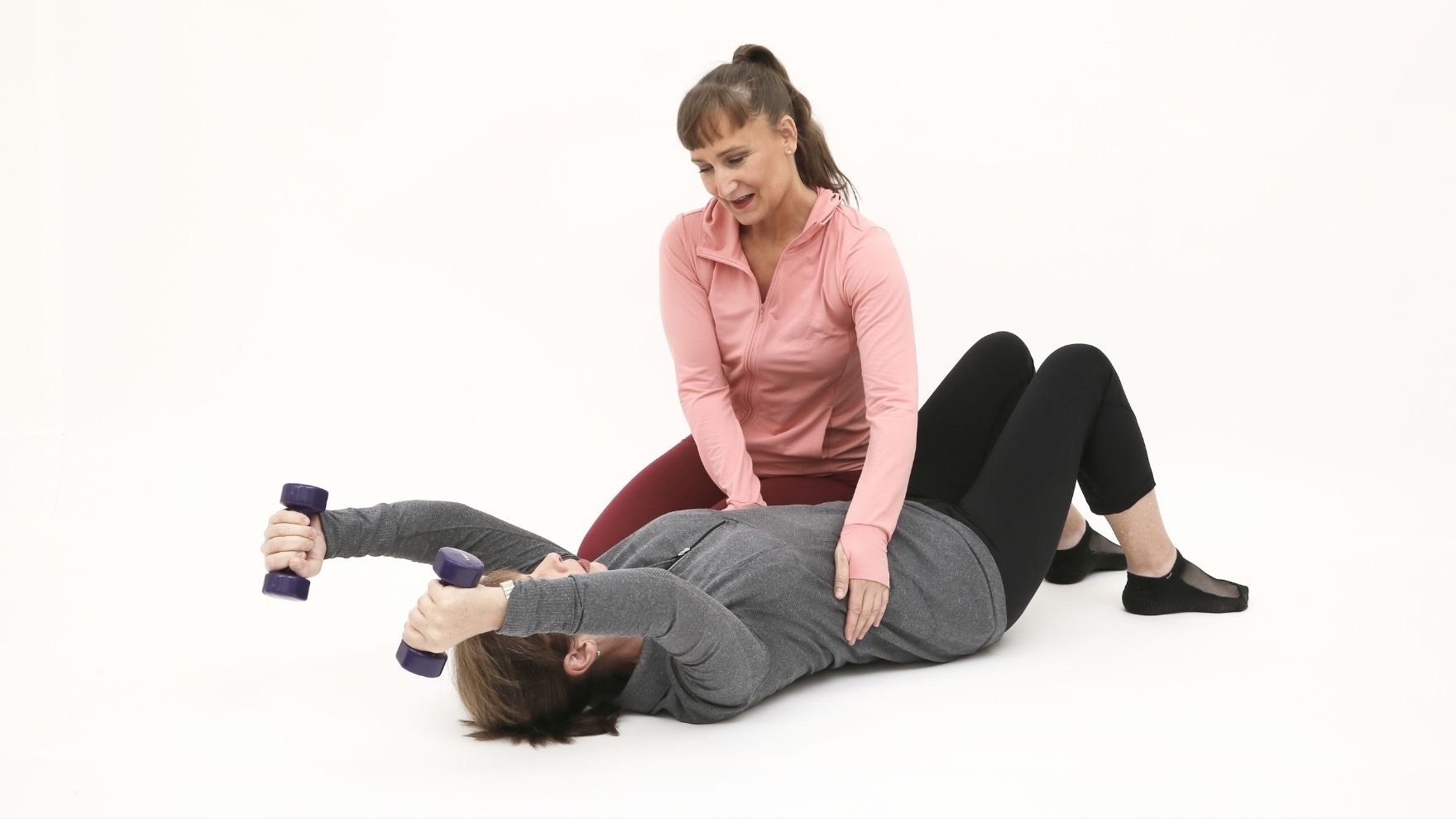
Throughout the course, you'll work through case studies designed to help you apply your knowledge to realistic Pilates clients.
For example:
"I leak when I jump."
What questions would you ask?
What might you modify?
What would you avoid assuming?
When would you refer?
How could you progressively build capacity?
"I constantly feel like I need to brace."
Could this client simply need more strengthening?
Or could relaxation, breathing and down-regulation be part of the picture?
"I feel heaviness after exercising."
How would you respond?
What information would you need?
How could you modify the session?
When is referral appropriate?
"I'm 55 and suddenly experiencing bladder urgency."
How might perimenopause or menopause influence the conversation?
What belongs within your scope?
What might require referral?
Learn From the Research
This course is grounded in current evidence and clinical guidance.
You'll explore:
- What current research tells us
- What clinical guidelines recommend
- Where evidence is strong
- Where evidence is still developing
- How to translate research into practical Pilates teaching
The goal isn't to turn Pilates teachers into pelvic health physiotherapists.
It is to help you become a better-informed Pilates professional who understands your scope, recognises relevant presentations and can work effectively alongside pelvic health professionals.
Your Pelvic Health Toolkit
By the end of the course, you'll have a practical framework you can take directly into your studio.
ASK
Know what questions to ask.
OBSERVE
Notice movement, breathing, symptoms and exercise responses.
UNDERSTAND
Consider the individual rather than applying a generic pelvic floor solution.
ADAPT
Modify exercises according to the client's presentation.
PROGRESS
Build strength, capacity, confidence and function.
REFER
Recognise when further assessment is appropriate.
Build Your Pelvic Health Business
Pelvic health education can also create opportunities to expand the way you work.
You'll learn how to:
- Introduce pelvic health conversations into your intake process
- Talk about pelvic health without embarrassment or fear
- Develop pelvic-health-focused services
- Create workshops and education sessions
- Build professional referral networks
- Collaborate with pelvic health physiotherapists
- Communicate your expertise appropriately
- Develop a sustainable pelvic health offering within your Pilates business
The goal isn't to turn your Pilates studio into a medical clinic.
It's to help you become a trusted movement professional who understands when pelvic health matters—and knows how to respond appropriately.
Live Masterclasses
The online education is supported by practical live learning opportunities.
Anatomy & Function Masterclass
Explore pelvic floor anatomy, breathing, pressure and function.
Pilates Repertoire Masterclass
Put pelvic health principles into practice across mat, reformer and equipment.
Programming Masterclass
Work through client presentations and develop appropriate Pilates programs.
Case Study Masterclass
Apply your knowledge to real-world pelvic health scenarios.
Teaching & Communication Masterclass
Develop confident language, cueing and client conversations.
What You Will Gain
By the end of Pelvic Floor & Pilates: Empowered Bodies, you'll have:
✓ Deeper pelvic floor knowledge
✓ Greater confidence discussing pelvic health
✓ A practical pelvic health framework for Pilates teaching
✓ Strategies for adapting Pilates exercises
✓ Programming tools for different presentations
✓ Greater understanding of overactive and underactive pelvic floors
✓ Knowledge of common pelvic health symptoms
✓ Understanding of referral considerations and scope of practice
✓ Practical case-study experience
✓ Strategies for working across the female lifespan
✓ Resources to support ongoing learning
✓ Ideas for developing pelvic health services within your business
Empowered Bodies. Informed Teaching.
Pelvic health can be difficult for clients to talk about.
As Pilates teachers, we are often in a unique position to create a safe, respectful environment where movement, symptoms and health can be discussed without shame.
The more we understand, the better we can support our clients.
This course is about giving you the knowledge, practical tools and confidence to do exactly that.
Pelvic Floor & Pilates: Empowered Bodies
Understand the pelvic floor.
Teach with confidence.
Empower your clients.
Course at a glance
Format: Self-paced online education + live practical masterclasses
Designed for: Pilates teachers and movement professionals
Focus: Pelvic health across the lifespan
Level: Comprehensive / specialist professional development
Includes: Anatomy • Research • Clinical guidelines • Pilates repertoire • Programming • Case studies • Special populations • Nutrition & lifestyle • Medications • Referral • Business development • Live masterclasses
Please note: This course provides education for Pilates professionals and does not qualify participants to diagnose or treat pelvic floor disorders. Clients with symptoms requiring clinical assessment should be referred to an appropriately qualified health professional.
